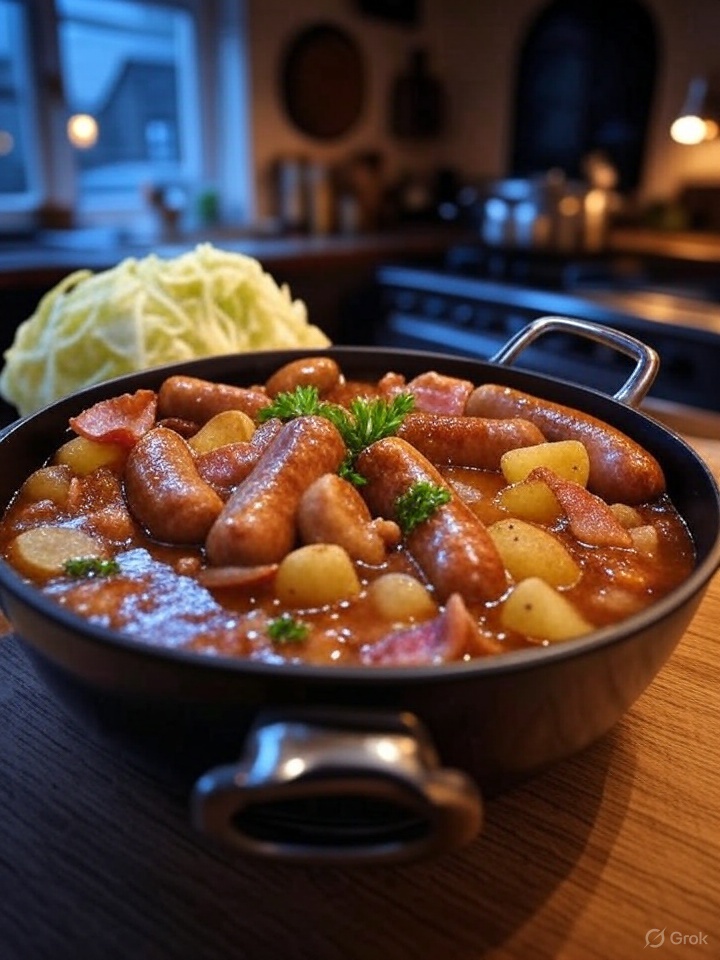
Dublin Coddle: The Authentic Irish Comfort Stew Since the 1600s
Imagine a chilly evening, the kind that whispers of roaring fires and warm embraces. What could be more perfect than a bowl of hearty, rich, and utterly comforting stew, brimming with history and flavor? We're talking about **Dublin Coddle** – a dish that isn't just cozy; it's a centuries-old culinary hug from the heart of Ireland. While many associate St. Patrick's Day with corned beef and cabbage, a delicious pairing popularized by Irish-Americans, true aficionados know that for an authentic taste of Ireland, especially from its capital city, Dublin Coddle is the real star. This humble yet profoundly satisfying stew has been warming Irish homes and bellies since the 1600s, cementing its place as an enduring symbol of rustic Irish comfort food.
Unraveling the Heart of Dublin Coddle: Ingredients and Tradition
At its core, **Dublin Coddle** is a testament to simple ingredients transforming into something truly magical. The name "coddle" itself offers a clue, referring to the method of cooking slowly and gently – a process that allows the flavors to meld and deepen into an exquisite symphony. The traditional rendition focuses on a few key components, often readily available in any kitchen:
*
Sausages (Bangers): These are usually pork sausages, a staple in Irish cuisine. In Ireland, they're simply called "bangers." If you're outside Ireland and struggling to find authentic bangers, a good quality bratwurst makes an excellent substitute, offering a similar porky flavor and texture.
*
Bacon (Rashers): Not just any bacon, but often thicker-cut, traditional Irish rashers. These are closer to what Americans might call back bacon or Canadian bacon, rather than streaky bacon, providing a more substantial, meaty bite.
*
Potatoes: The quintessential Irish vegetable, cut into chunks, adding a creamy texture and substantial body to the stew.
*
Onions: Sliced and slow-cooked until sweet and tender, forming the aromatic foundation of the dish.
*
Broth: Typically chicken broth, which provides a rich liquid base for the slow simmer. Some variations, particularly for a deeper, more robust flavor profile, might incorporate a splash of stout or beer.
What makes **Dublin Coddle** particularly endearing is its unpretentious nature. It's not about complex techniques or exotic spices; it's about respecting the ingredients and allowing time to work its magic. This "old-style" approach often involves simply layering the ingredients in a pot and simmering them until everything is tender and flavorful, without necessarily browning the sausages or bacon beforehand. This method results in a beautifully rustic stew, where every component contributes to the overall warmth and richness. For a detailed guide on creating this classic, be sure to check out our
Easy Dublin Coddle Recipe: Rustic Irish Stew with Simple Ingredients.
A Deep Dive into History and Authenticity
The roots of **Dublin Coddle** stretch back to the 17th century, making it one of Ireland's oldest and most authentic dishes. Originating from the working-class kitchens of Dublin, it was a practical and economical meal, designed to make the most of inexpensive, readily available ingredients. In an era before refrigeration, slow-cooking methods were essential for tenderizing tougher cuts and extending the life of ingredients, making coddle a clever and nourishing solution for families.
Unlike the common misconception that places corned beef and cabbage at the pinnacle of Irish culinary heritage, **Dublin Coddle** is truly beloved by locals and holds a significant place in Ireland's gastronomic culture. It was, and still is, a quintessential winter dish, packed with the protein and fat necessary to sustain people through cold, harsh weather. Its simplicity is its strength; it’s genuine home cooking, reflecting the resourcefulness and hearty spirit of the Irish people. For centuries, this dish has been a staple in Dublin households, passed down through generations, embodying the very essence of Irish comfort food.
Crafting Your Own Dublin Coddle: Tips for Perfection
While the concept of **Dublin Coddle** is straightforward, a few tips can elevate your homemade version from good to absolutely sublime.
Choosing Your Ingredients Wisely
*
Sausages: Opt for high-quality pork sausages. If using bratwurst as a substitute, look for varieties with a relatively mild flavor profile to complement the other ingredients rather than overpowering them.
*
Bacon: Thick-cut rashers are ideal. Render some of the fat before adding other ingredients for an extra layer of flavor. Some cooks, even if not strictly adhering to the "no browning" traditional method, might lightly brown the sausages and bacon for a richer, more complex flavor before adding them to the stew.
*
Potatoes: Waxy potatoes tend to hold their shape better, while floury potatoes will break down more, thickening the stew. Choose based on your preference for texture.
*
Onions: Don't skimp on the onions! Slow cooking them until almost translucent adds a wonderful sweetness to the broth.
Cooking Methods and Adaptations
*
Slow and Gentle is Key: Whether in a Dutch oven on the stovetop, in your conventional oven at a low temperature, a slow cooker, or even an Instant Pot, the principle remains the same: cook low and slow. This allows the flavors to meld beautifully and the ingredients to become incredibly tender. For oven cooking, a temperature around 300°F (150°C) for several hours is ideal.
*
Dutch Oven Delight: A cast iron Dutch oven is perfect for making **Dublin Coddle**. It provides even heat distribution and can go from stovetop to oven. The reference even mentioned adapting it for camping over coals, highlighting its versatility! If cooking outdoors with a Dutch oven, remember the "science" of coals and rotating the pot for even heat.
*
Flavor Boosts: While chicken broth is standard, consider adding a splash of Guinness or another dark stout for a deeper, malty complexity. Fresh parsley added at the end brightens the flavor.
*
Dietary Adaptations: For a keto-friendly twist, as suggested in the reference, you can swap out some or all of the potatoes for turnips. This maintains the root vegetable texture while reducing carb content.
Serving Your Coddle
* The quintessential accompaniment for **Dublin Coddle** is a generous hunk of crusty bread. It's perfect for soaking up every last drop of the rich, savory broth.
* A sprinkle of fresh chives or parsley before serving adds a touch of freshness and color.
Why Dublin Coddle Deserves a Spot on Your Table
Beyond its historical significance and delightful flavor, **Dublin Coddle** offers a unique combination of qualities that make it an ideal dish for modern homes. It's incredibly inexpensive to prepare, using everyday ingredients that often already reside in your pantry and fridge. Its ease of preparation means even novice cooks can achieve fantastic results, making it a perfect weeknight meal solution.
More than just sustenance, it’s a bowl full of warmth and nostalgia. Whether you’re seeking a hearty meal to fend off the winter chill, planning an authentic St. Patrick’s Day feast, or simply craving genuine, soul-warming comfort food, **Dublin Coddle** delivers every time. Its rustic charm and undeniable deliciousness make it a dish that transcends its humble origins, bringing a piece of Irish history and hospitality straight to your dining table. This makes it an ultimate
Cozy Dublin Coddle: Your Go-To Irish Stew for Winter Warmth.
In conclusion, **Dublin Coddle** is far more than just a stew; it's a culinary legacy. With its roots firmly planted in the 1600s, this traditional Irish dish continues to captivate with its simple ingredients, slow-cooked goodness, and profound ability to provide comfort. Embrace the history, savor the flavors, and discover why this authentic Irish delight remains a cherished favorite, proving that true comfort often comes from the most unpretentious of bowls.